
Supreme Court on Government Authorities: Important Rules for Citizens
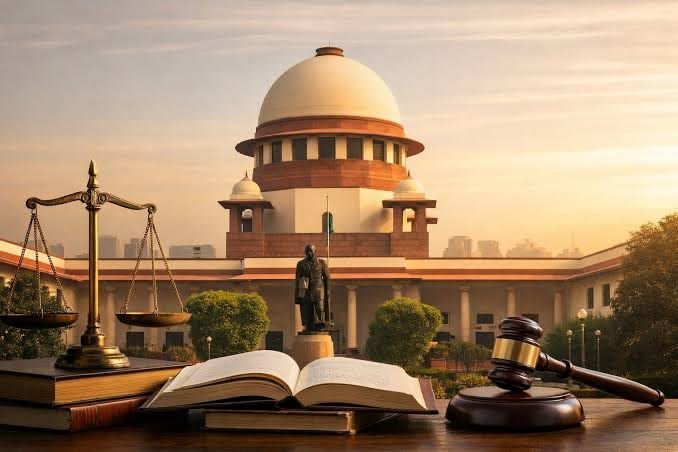
Government authorities have wide powers. They can issue notices, make administrative decisions, grant or cancel permissions, take action against violations, regulate businesses, acquire property and perform many other public functions. However, these powers are not unlimited. Government authorities must act according to the Constitution, applicable laws and the limits of the power given to them. […]
Supreme Court on Property Disputes: Important Rules on Ownership and Possession
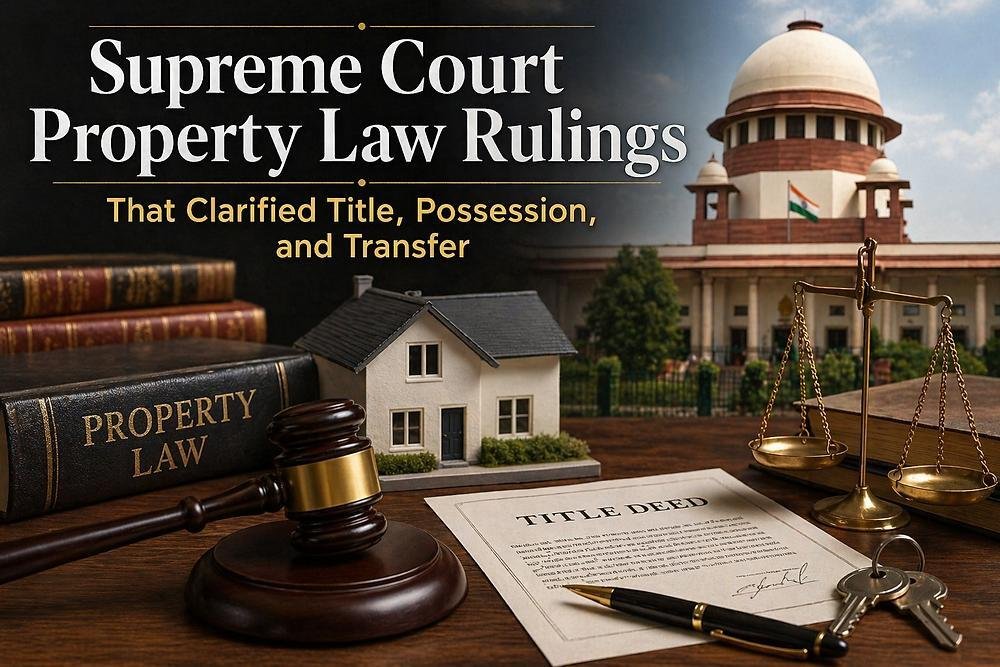
Property disputes are among the most common and complex civil disputes in India. Disagreements may arise over ownership, possession, sale deeds, family property, revenue records, inheritance or claims based on long-term possession. In many cases, parties assume that occupying a property for many years automatically gives them ownership rights. However, the legal position is more […]
Supreme Court Clarifies POCSO Presumption: Prosecution Must Establish Foundational Facts
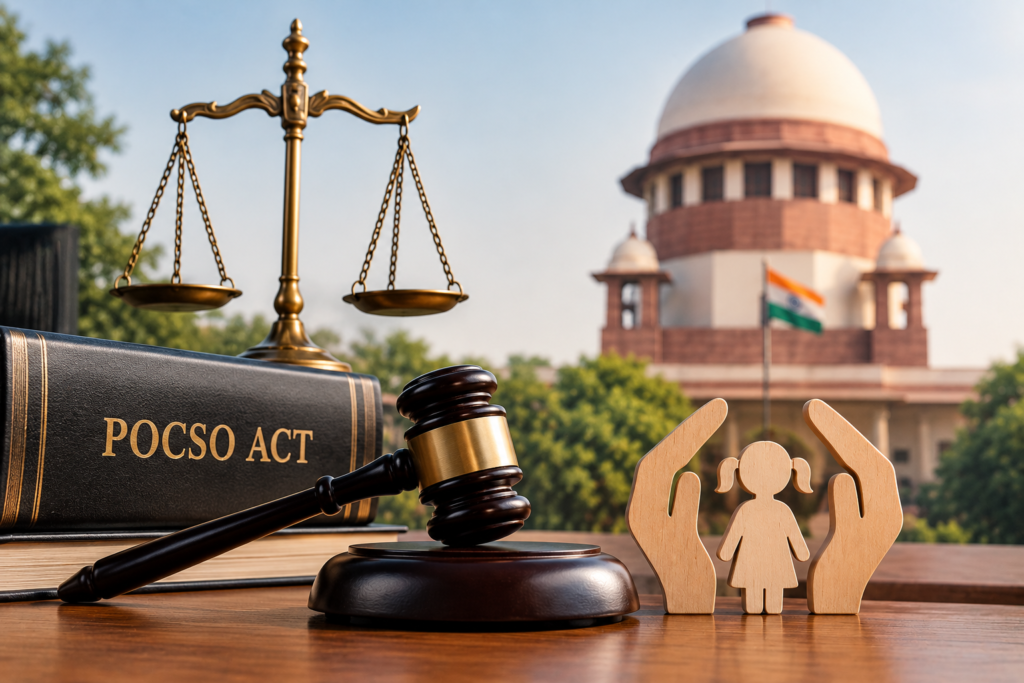
The Supreme Court of India has recently clarified an important aspect of the Protection of Children from Sexual Offences Act, 2012 (POCSO Act), concerning the statutory presumptions under Sections 29 and 30. In its judgment dated 17 September 2026 in Deepak in JC v. State Govt. of NCT Delhi, the Court explained that these presumptions […]
Supreme Court’s Approach to Bail Under the New Criminal Laws: Key Takeaways for Accused Persons
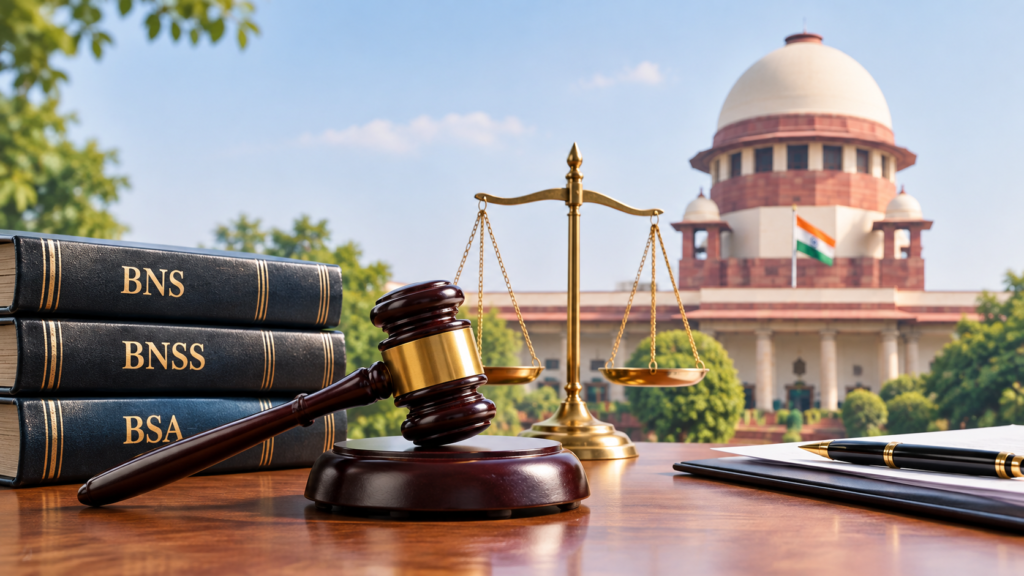
India’s criminal justice system has undergone a significant transformation with the introduction of the Bharatiya Nyaya Sanhita, 2023 (BNS), the Bharatiya Nagarik Suraksha Sanhita, 2023 (BNSS) and the Bharatiya Sakshya Adhiniyam, 2023 (BSA). These laws have replaced the Indian Penal Code, 1860, the Code of Criminal Procedure, 1973 and the Indian Evidence Act, 1872, respectively, […]
Understanding Bail Law: Expert Insights on Anticipatory, Regular & Interim Bail

Bail law plays a crucial role in the Indian criminal justice system by protecting the fundamental rights of individuals while ensuring the proper administration of justice. Bail is a legal mechanism through which a person accused of an offense can secure temporary release from custody while awaiting trial or further legal proceedings. It helps maintain […]